
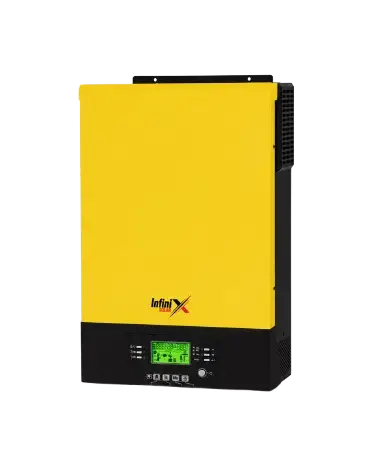
- Yes, for most homes, but the way you save has changed.
- Units you use yourself are now worth 4 to 5 times more than units you export.
- Run heavy loads in daytime and add a battery for the evening.
- Size the system for your own use, not for selling to the grid.
We hear this one a lot these days. People read the net billing news, see that exports pay only about Rs10 to 11 a unit, and wonder if they missed the boat.
Short answer: no. But the old idea of “put up big panels and sell everything to WAPDA” doesn’t work anymore. The money is now in using your own power.
What actually changed
Under the old net metering system, a unit you exported cancelled out a unit you imported. One for one. Since 9 February 2026, new solar users are on net billing. Imported units are charged at the normal tariff (roughly Rs37 to 55 a unit, depending on your slab and taxes), while exported units are credited at about Rs10 to 11.
So every unit you send out and later buy back costs you money. Every unit you use straight from your panels saves you the full tariff.
A simple example
Take a family home using about 500 units a month. To keep the maths easy, we will use Rs45 a unit for imports and Rs11 for exports. Your real rates will be different, so treat this as an illustration.
| Without solar | With solar (poor setup) | With solar (good setup) | |
|---|---|---|---|
| Solar used directly | 0 | 200 units | 350 units |
| Exported to grid | 0 | 400 units | 250 units |
| Imported from grid | 500 units | 300 units | 150 units |
| Rough monthly cost | Rs22,500 | Rs9,100 | Rs4,000 |
Same panels, same house. The only difference is when the family uses electricity. The “good setup” home runs the washing machine, iron, water pump and motor at midday, and has a battery for the evening.
How to set up solar for net billing
Shift heavy work to daytime
Washing, ironing, the water pump, the geyser in winter, even cooking on induction. If it can wait until 11am to 3pm, let it wait.
Add a battery if your evenings are heavy
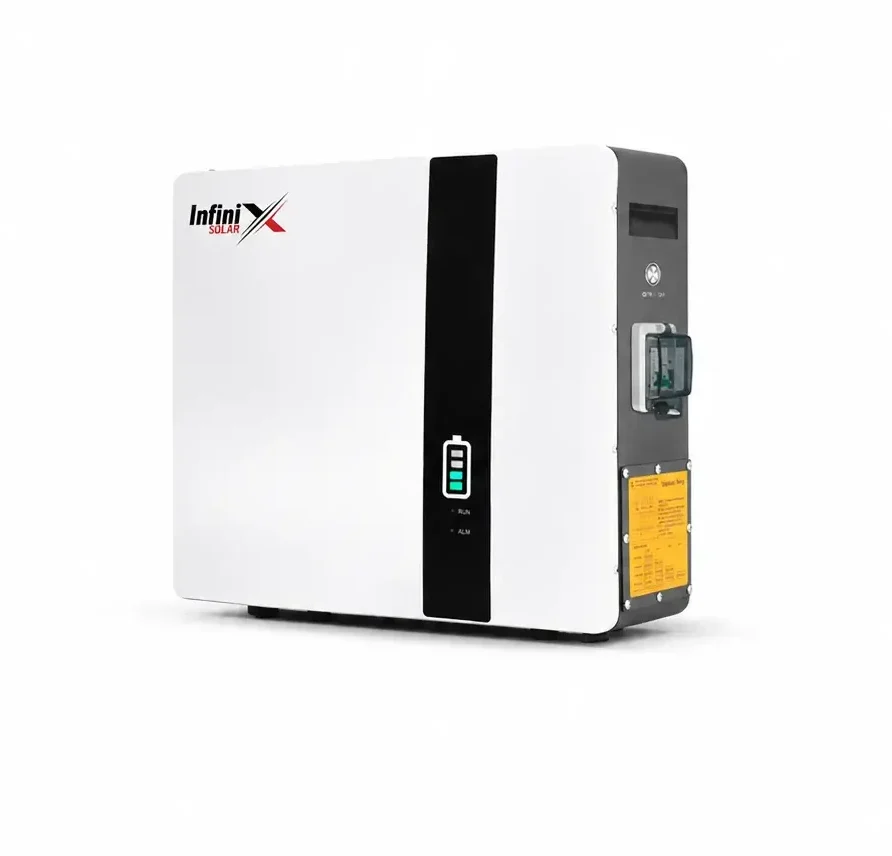
Fans, lights, TV and the fridge run all evening. A 5kWh lithium battery stores midday sun for exactly those hours, instead of selling it for Rs11 and buying it back for Rs45.
Don’t oversize for export
Big systems built to sell power made sense before. Now, a system matched to your own use is usually the better deal. Our load calculator gives you a starting size.
Who gets the least out of solar now?
Homes that are empty all day and use most of their power at night, with no battery. If that is you, solar still helps, but plan for a battery from day one or the savings will disappoint.
And if you already have net metering?
NEPRA has said existing agreements keep their old terms until they expire, as long as you don’t expand the system. We wrote about that here.
Rates in the example are for illustration only. Your bill depends on your slab, taxes and DISCO. Source for net billing rates: Dawn, 10 February 2026.
Want your own numbers?
Send us your last bill on WhatsApp and we will work out what solar would save in your home.