
Ask five installers for a solar system price in Pakistan and you will get five numbers that can be Rs. 100,000 apart for the “same” 5kW system. Most of that gap is not profit. It is the inverter brand, whether a battery is included, the panel grade and how much wiring and structure the quote quietly leaves out.
This guide breaks the 2026 price down by system size and by component, so you can read a quotation line by line instead of comparing totals.
Key takeaways
- A complete 5kW hybrid system without batteries costs roughly Rs. 3.2 to 4.5 lakh; adding lithium storage takes it to about Rs. 5 to 7.3 lakh.
- Tier-1 panels are trading at about Rs. 37 to 47 per watt in September 2026, depending on brand and city.
- Under net billing, units you use yourself are worth four to five times more than units you export, so size for self-consumption.
- Always ask for an itemised quote: panels, inverter, battery, structure, DC/AC cabling, protection and labour.
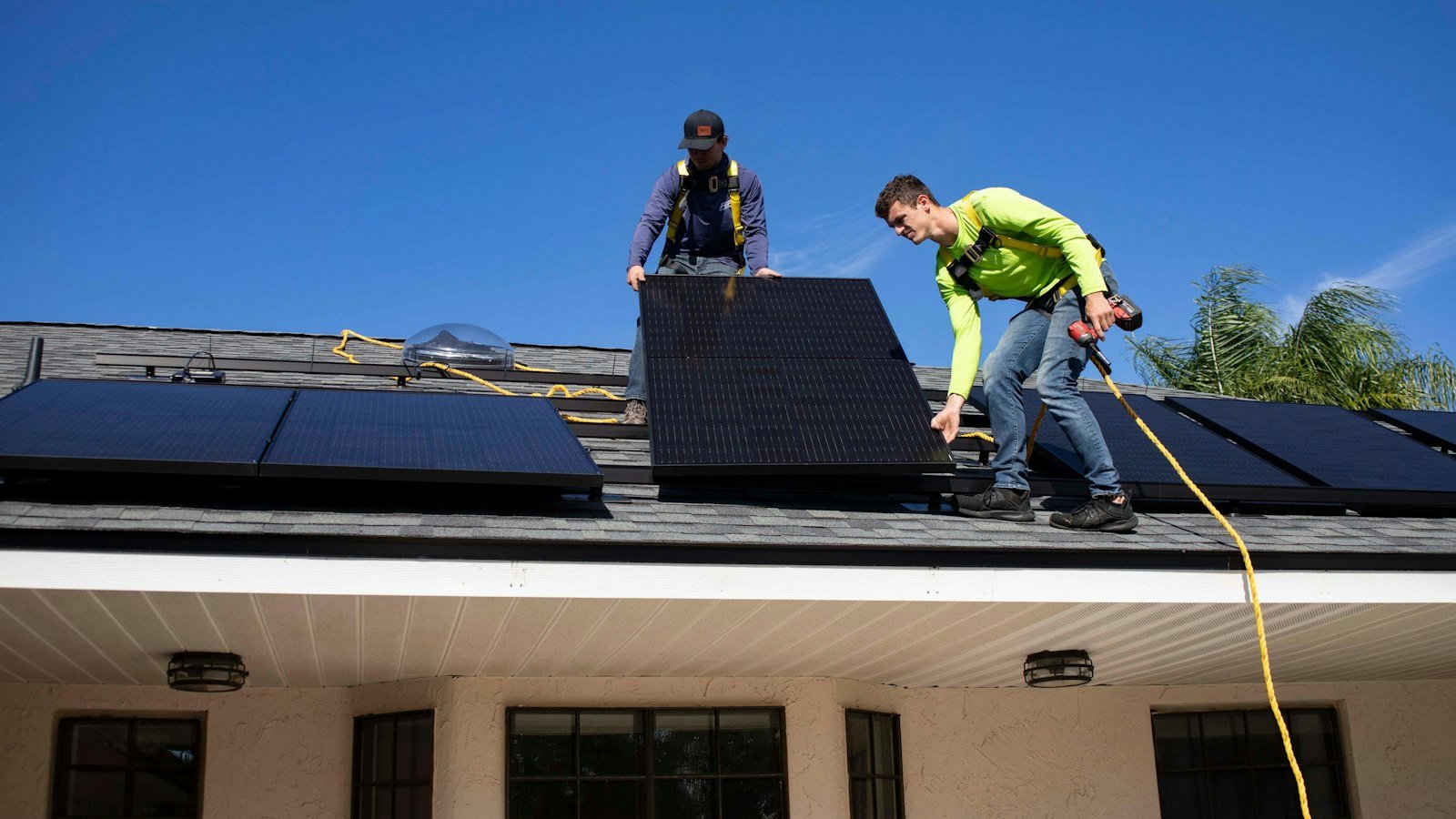
Complete solar system prices in Pakistan (2026)
The ranges below are for complete, installed residential systems using Tier-1 panels and a hybrid inverter, based on market rates published in early September 2026. Your final figure depends on city, roof type and brand choice.
| System size | Without battery | With lithium battery | Typical monthly bill it suits |
|---|---|---|---|
| 3kW | Rs. 1.95 – 2.6 lakh | Rs. 2.85 – 3.9 lakh | Up to ~350 units |
| 5kW | Rs. 3.23 – 4.45 lakh | Rs. 5.03 – 7.25 lakh | ~350 – 600 units |
| 10kW | Rs. 6.45 – 8.85 lakh | Rs. 10.25 – 14.45 lakh | ~700 – 1,200 units |
The “with battery” column assumes lithium (LiFePO4) storage sized for evening backup, not a full night off-grid. If you only need a few hours of load-shedding cover, the battery can be smaller and the price closer to the lower end.
Where the money goes: component prices
Solar panels
Panels are sold per watt. In September 2026, A-grade N-type bifacial panels from Tier-1 brands are trading at about Rs. 37 to 47 per watt, a little cheaper in Karachi and a little higher in Islamabad. A 5kW array (nine or ten 550–585W panels) therefore costs roughly Rs. 1.9 to 2.4 lakh on its own.
Hybrid inverter
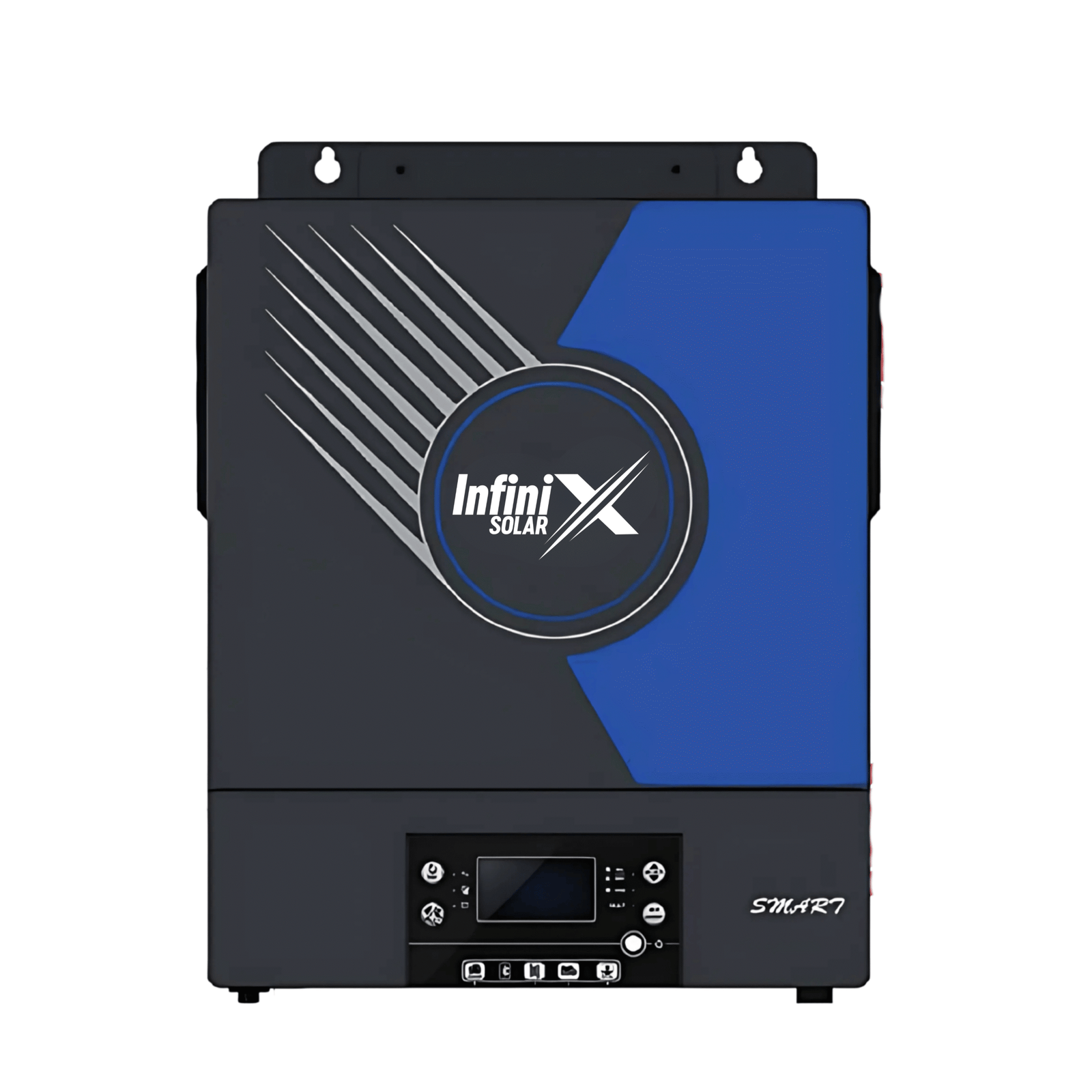
The inverter is the part you cannot swap later without redesigning the system, so it deserves more attention than its share of the price suggests. Typical 2026 ranges are Rs. 65,000–90,000 for 3kW, Rs. 95,000–1,40,000 for 5–6kW, and Rs. 2 to 3 lakh for a 10kW three-phase unit. Look at maximum PV input, MPPT range and battery compatibility, not just the kW rating. Our hybrid inverter buying guide explains each spec.
Lithium battery
Storage is the single biggest swing in any quote. It can add Rs. 1.8 lakh or more to a 5kW system. LiFePO4 costs more upfront than tubular lead-acid but lasts several times longer; we compared the real ten-year cost in lithium vs tubular batteries.
Structure, cabling, protection and labour
- Mounting structure: galvanised or aluminium, raised if you need space underneath. Cheap mild-steel frames rust within a few monsoons.
- DC and AC cabling: proper solar DC cable sized for the run length. Undersized cable wastes energy every single day.
- Protection: DC breakers, surge protection devices, earthing and an AC distribution box.
- Labour: roughly Rs. 15,000–25,000 for 3kW, Rs. 20,000–35,000 for 5kW and Rs. 40,000–60,000 for 10kW.
How net billing changes the maths
Since NEPRA’s 2026 prosumer rules, new connections are on net billing: exported units are bought back at around Rs. 11, while the units you import cost Rs. 40 to Rs. 60. A unit you use yourself during the day is worth four to five exported units.
That makes two things more valuable than before: shifting daytime loads (washing, water pumps, AC) into solar hours, and a battery that stores surplus for the evening peak. We covered the rule change in detail in net metering to net billing.
Payback: a worked example
Take a 5kW hybrid system without batteries at Rs. 3.8 lakh. In most of Pakistan it produces around 18–20 units a day on average, or roughly 550–600 units a month.
- If 70% of those units are used directly at a grid tariff of Rs. 50, and the rest are exported at Rs. 11, the system saves about Rs. 22,000 a month.
- Payback on Rs. 3.8 lakh is then roughly 17–18 months.
- If only 40% is self-consumed, savings drop to about Rs. 16,000 a month and payback stretches to around two years.
These are illustrative figures. Your tariff slab, roof orientation and daily routine move them, so run the numbers on your own bill before you buy.
How to read a solar quotation
- Check that panel brand, wattage and quantity are written, not just “5kW”.
- Confirm the exact inverter model and that its PV input suits the array.
- Ask whether the price includes structure, cabling, breakers, SPD and earthing.
- Get warranty terms in writing: panels, inverter and battery separately.
- Ask who handles after-sales service locally, and how fast.
Frequently asked questions
What is the price of a 5kW solar system in Pakistan in 2026?
A complete 5kW system costs roughly Rs. 3.2 to 4.5 lakh without batteries and Rs. 5 to 7.3 lakh with lithium storage, depending on brands and installation.
Is it cheaper to buy a system without batteries?
Upfront, yes. But under net billing, and with load shedding, many households find a hybrid inverter plus a modest lithium battery pays back better than exporting cheap daytime units.
Will solar prices drop further?
Panel prices have been broadly flat to slightly lower through 2026. Waiting a few months rarely saves more than the electricity bills you pay in the meantime.
Get an itemised quote for your home
Tell us your monthly units and backup needs and our Lahore team will suggest the right Infinix inverter and battery, with a clear component-by-component price.