
In Karachi, Lahore and Islamabad, more families live in flats than ever. And the question keeps coming: “We don’t have our own roof. Can we still go solar?” The honest answer is: sometimes yes, sometimes in a smaller way, and it depends a lot on your building.
- Shared rooftop solar for the whole building, agreed with the society.
- Allocated roof space for individual flats, where allowed.
- Small balcony or wall panels for light loads.
- Inverter plus lithium battery as backup, charged from grid.
Option 1: Building-wide solar
The building’s roof is used for one larger system, typically powering common areas: lifts, water pumps, stair and parking lights. This cuts the maintenance bill for everyone. It needs agreement from the management committee or society, and a clear plan for maintenance costs.
Option 2: Allocated roof space per flat
Some buildings divide the roof so each flat gets space for a few panels, with cables run down to each flat. It works best in low-rise buildings. Cable runs get long and expensive in tall buildings, and the society must allow it.
Option 3: Balcony panels
If your balcony faces south and gets direct sun for several hours, one or two panels mounted securely on the railing or wall can run a small inverter for lights, fans and a router. Make sure mounting is very secure, especially on higher floors, and that building rules allow it.
Option 4: Backup without panels
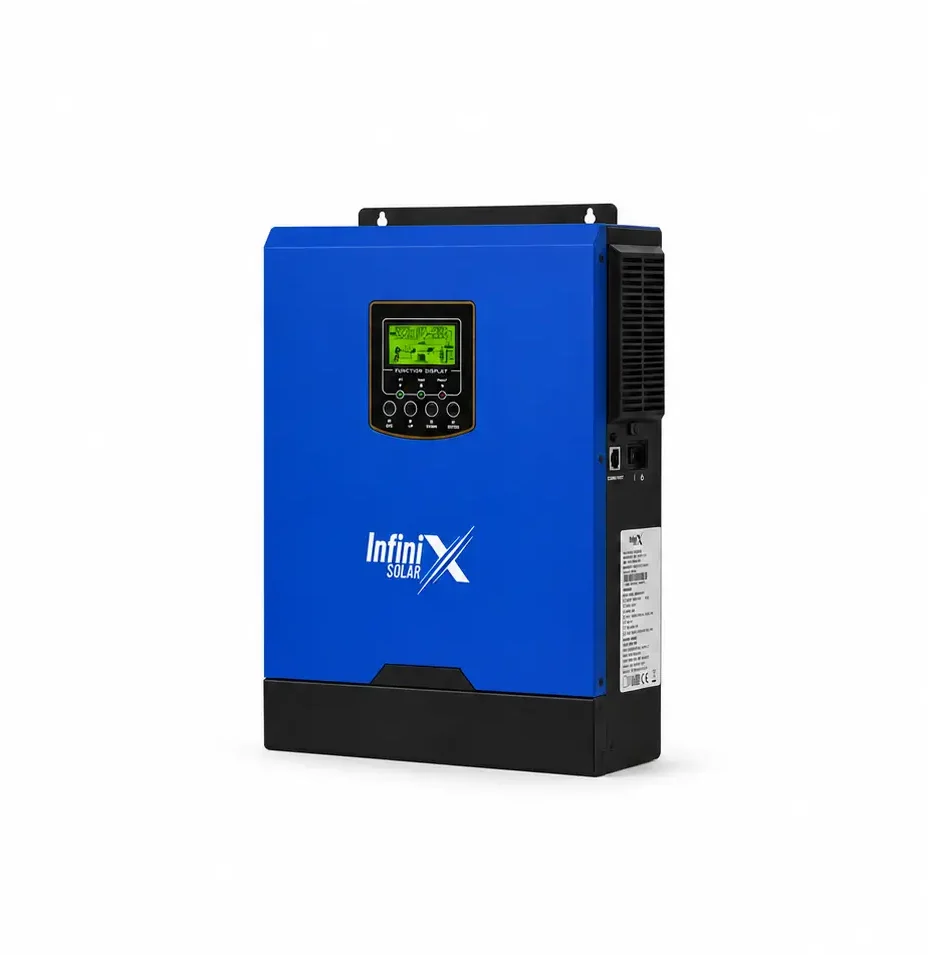
If none of the above works, a hybrid inverter with a lithium battery, charged from the grid, still gives you clean, silent backup during load shedding. It’s a big upgrade from an old UPS and tubular battery. If you get roof access later, panels can be added to the same inverter.
Things to check first
- Building or society rules on roof and balcony use
- Whether your meter and connection are in your name
- Hours of direct sun on the space you’d use
- Where the inverter and battery can sit with good ventilation
Sizing for a flat
Flats often have smaller loads than houses, so a 1.2kW to 3kW hybrid inverter is a common fit. See our small inverter guide and run your appliances through the load calculator.
Living in a flat?
Tell us your floor, balcony direction and what you want to run. We’ll suggest what’s realistic.