
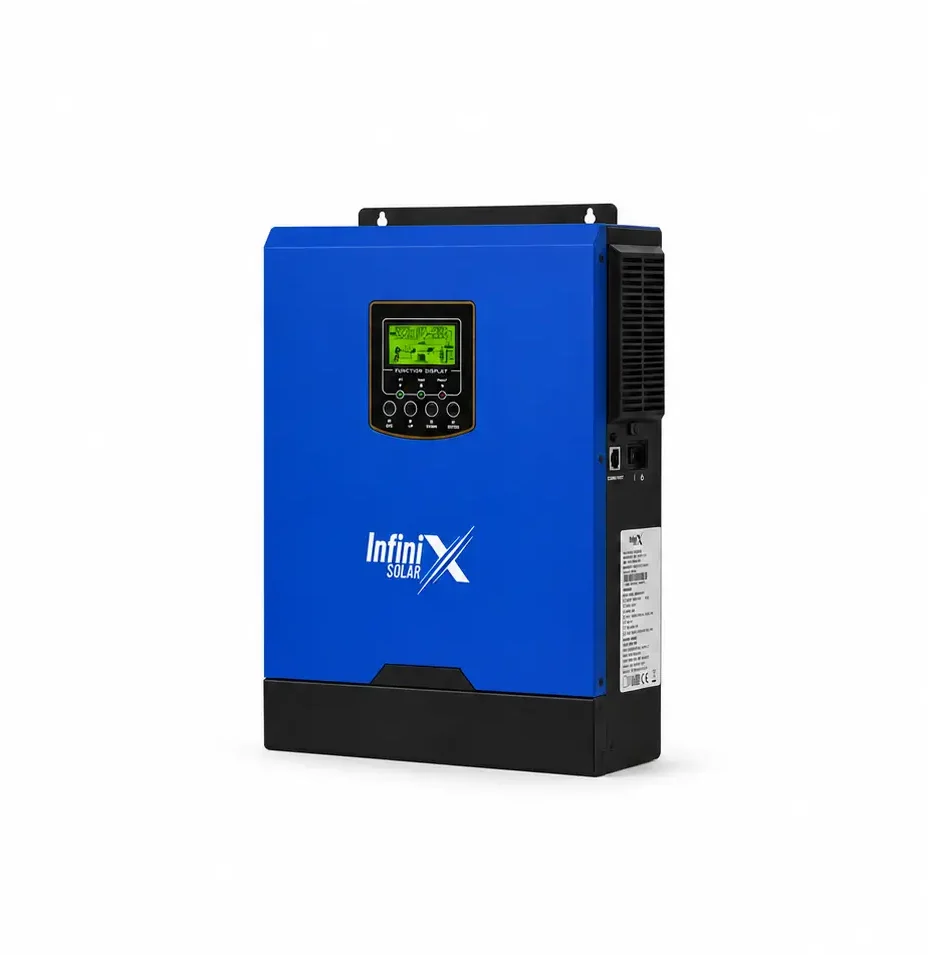
Clinics, small hospitals, labs and pharmacies have a particular power problem. Some loads simply cannot stop: the fridge holding insulin and vaccines, the computer running billing and records, the lights in a consultation room. Solar with battery backup is a strong fit, if it’s designed around those critical loads.
- Medicine and vaccine fridges must stay within their temperature range.
- Computers, billing and CCTV need clean, uninterrupted power.
- Separate critical circuits from general loads like ACs.
- Battery size should cover critical loads through your longest outage.
Separate critical from comfort
Start by listing loads in two groups:
- Critical: medicine fridges, computers and printers, internet, lights in key rooms, CCTV, small medical devices.
- Comfort: ACs, extra lighting, water dispenser, waiting-room TV.
Put critical loads on a dedicated backup circuit. That way the battery isn’t drained by ACs during an outage.
Medicine fridges
Pharmaceutical fridges must stay within a narrow temperature range. Even short outages in summer can push them out of range. A battery sized to run the fridges through your longest typical outage, plus margin, is essential. Keep fridges out of direct sun and away from heat sources to reduce their load.
Computers and equipment
Desktop computers and some equipment can restart or lose data if power switches slowly. Choose an inverter with a fast transfer time and use UPS mode for these circuits where available. For sensitive medical devices, follow the manufacturer’s power requirements.
Daytime advantage
Most clinics and pharmacies run during the day and early evening. Solar covers ACs and general loads while the sun is up, cutting commercial electricity bills, while the battery protects critical loads during outages.
Typical sizing
A small pharmacy with one or two medicine fridges, computers and lights may be well served by a 3 to 6kW hybrid with a 5 to 10kWh lithium battery. A clinic with several rooms and ACs moves toward 8 to 12kW. Use the load calculator for a starting point.
Monitoring and alarms
Use the inverter’s app to get alerts if the grid fails or battery runs low. A simple temperature alarm on medicine fridges adds another layer of safety.
See also fridges and freezers on solar and why solar pays back faster for businesses.
Running a clinic or pharmacy?
Send us your list of critical equipment. We’ll design backup around what must never stop.