
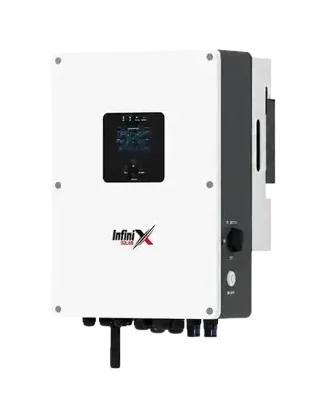
Every monsoon we get calls from people whose inverter died after a thunderstorm. When we ask about earthing, the answer is often “I think the installer did it” or “there’s a wire going somewhere.” That’s usually where the problem started.
- A dedicated earth pit for the solar system, not just a wire to the water pipe.
- Panel frames and structure bonded to earth.
- DC and AC surge protection devices (SPDs).
- Earth resistance tested after installation.
Why earthing matters for solar
Your panels sit on the highest point of your house, connected by metal frames and long cables to an expensive inverter. Proper earthing gives stray voltage and surges a safe path to the ground instead of through your equipment, or through a person touching a metal frame.
What a proper setup includes
- Earth pit: a copper or copper-bonded rod driven deep enough to reach moist soil, often with a mix of charcoal and salt or a modern earthing compound around it. Many installers use 8 to 10 feet depth, more in dry areas.
- Structure and frame bonding: each panel frame and the mounting structure connected with a proper earthing conductor.
- Inverter earthing: the inverter body connected to the earth system.
- SPDs: surge protection devices on the DC side (between panels and inverter) and on the AC side.
Lightning arrestor: when is it needed?
If your building is taller than those around it, in an open area, or you’re in a region with frequent lightning, a dedicated lightning arrestor on the roof is worth considering. It needs its own down conductor and earth, kept separate from the system earth according to proper practice. Ask a qualified electrician to assess this, it isn’t a DIY job.
Signs your installer cut corners
- No earth pit was dug during installation.
- The earth wire is tied to a water pipe or the building’s steel bar.
- There are no SPDs in the DC combiner or distribution box.
- Earth resistance was never measured.
Check it once a year
Earth pits dry out, especially in long hot summers. Before monsoon, it’s worth getting the earth resistance measured and the pit watered if needed. It costs very little compared to a burned inverter board.
For the full picture of what a good install includes, see our upcoming guide on DC cables, breakers and SPDs, and our guide to spotting fake inverters.
Not sure your system is earthed properly?
Send us a photo of your DC box and earth connection. We’ll tell you what’s missing.