
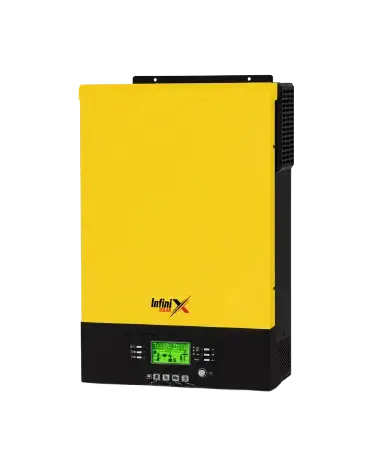
When we visit homes with inverter problems, placement is one of the first things we check. Inverters stuffed into closed cupboards, mounted on sun-facing walls or tucked under staircases with no air are common, and they all suffer in June.
- Shaded, dry and well ventilated.
- Hand’s width of space around the unit, more above and below.
- Close enough to panels and battery to keep cables short.
- Easy to see the screen and reach the isolators.
Why location matters
Inverters convert power, and conversion produces heat. Built-in fans push that heat out. If the air around the inverter is already hot or trapped, the inverter protects itself by reducing output, and over years, heat shortens the life of its internal parts.
Good places in a Pakistani home
- A shaded porch or verandah wall, under a proper roof, out of driving rain.
- A stair landing or mumty room with a window or vent, close to the roof where panels are.
- A utility or store room with ventilation, not a sealed one.
- Near the main distribution board, so AC cabling is short and tidy.
Places to avoid
- Closed wooden cupboards
- Walls in direct afternoon sun
- Kitchens, where heat and grease build up
- Bathrooms or walls with damp and seepage
- Bedrooms, because of fan noise and safety
- Low spots that flood in heavy rain
Spacing
Follow the manual, but as a rule leave at least a hand’s width on the sides and more above and below, so hot air can rise and escape. Don’t mount two inverters directly above each other, the top one breathes the bottom one’s exhaust.
The battery
Lithium batteries should also be in a shaded, ventilated, dry place, ideally near the inverter so battery cables stay short. Short, thick battery cables waste less energy and run cooler. Keep batteries off damp floors and away from direct sun.
Cable distances
The longer the cable from panels to inverter, the more voltage drop and the thicker the cable needed. Placing the inverter closer to the roof, on an upper floor or stair room, often makes sense. See our guide to DC cables and protection.
Safety and access
Mount at a height where adults can read the screen and reach isolators, but out of reach of small children. Keep the area clear of clutter, and never store petrol, gas cylinders or paint near the inverter or battery.
If your inverter often shows over-temperature warnings in summer, moving it may solve the problem completely. More in common inverter faults.
Unsure where to place your inverter?
Send a few photos of possible spots. We’ll tell you which one works best.