
Pakistan is going through one of the fastest solar transitions in the world, and it is being driven by ordinary households, farmers and businesses rather than big government projects. New reporting from Geo News and Bloomberg in late September 2026 puts hard numbers on the boom. Here is what they show, and what they mean if you are planning a solar system.
1. Solar now makes about 20% of Pakistan’s electricity
Solar accounted for roughly 20% of Pakistan’s electricity generation in 2025, up from about 3% at the start of the decade. Pakistan also became China’s third-largest market for solar exports in 2025.
2. 51GW of solar panels imported in five years
Between 2021 and 2025, Pakistan imported around 51GW of solar panels. Estimates of installed distributed solar capacity in 2025 range from 28GW to 38GW.
3. 80% of systems are on rooftops
About 80% of installations are rooftop systems, and roughly half serve residential consumers. Solar in Pakistan is a home-by-home and shop-by-shop movement.
4. Grid demand is falling
Electricity consumption across Pakistan’s distribution companies fell nearly 12% in the 12 months to July 2025, compared with the same period over the previous three years, as more consumers made their own power.
5. Solar costs less than a third of grid power
Reporting notes that rooftop solar delivers power at less than one-third of the price of grid electricity. With unit rates still high, the payback period for a well-sized system remains short.
6. Batteries are the next wave
Battery imports rose from about $120 million in 2022 to about $300 million in 2025, and imports of batteries from China jumped almost 150% in the first half of 2026. Pakistani firms face a median of around 45 hours of grid outages a month, which is why backup storage is now part of most new systems.
What this means for you
- Size for self-use, not export. Under NEPRA’s 2026 net billing rules, exported units earn far less than imported units cost. Read our guide to net billing in Pakistan.
- Choose a hybrid inverter. A hybrid inverter keeps your home running during load shedding and lets you store solar power for the evening.
- Add a lithium battery. LiFePO₄ batteries last far longer than tubular ones. See our lithium vs tubular cost comparison.
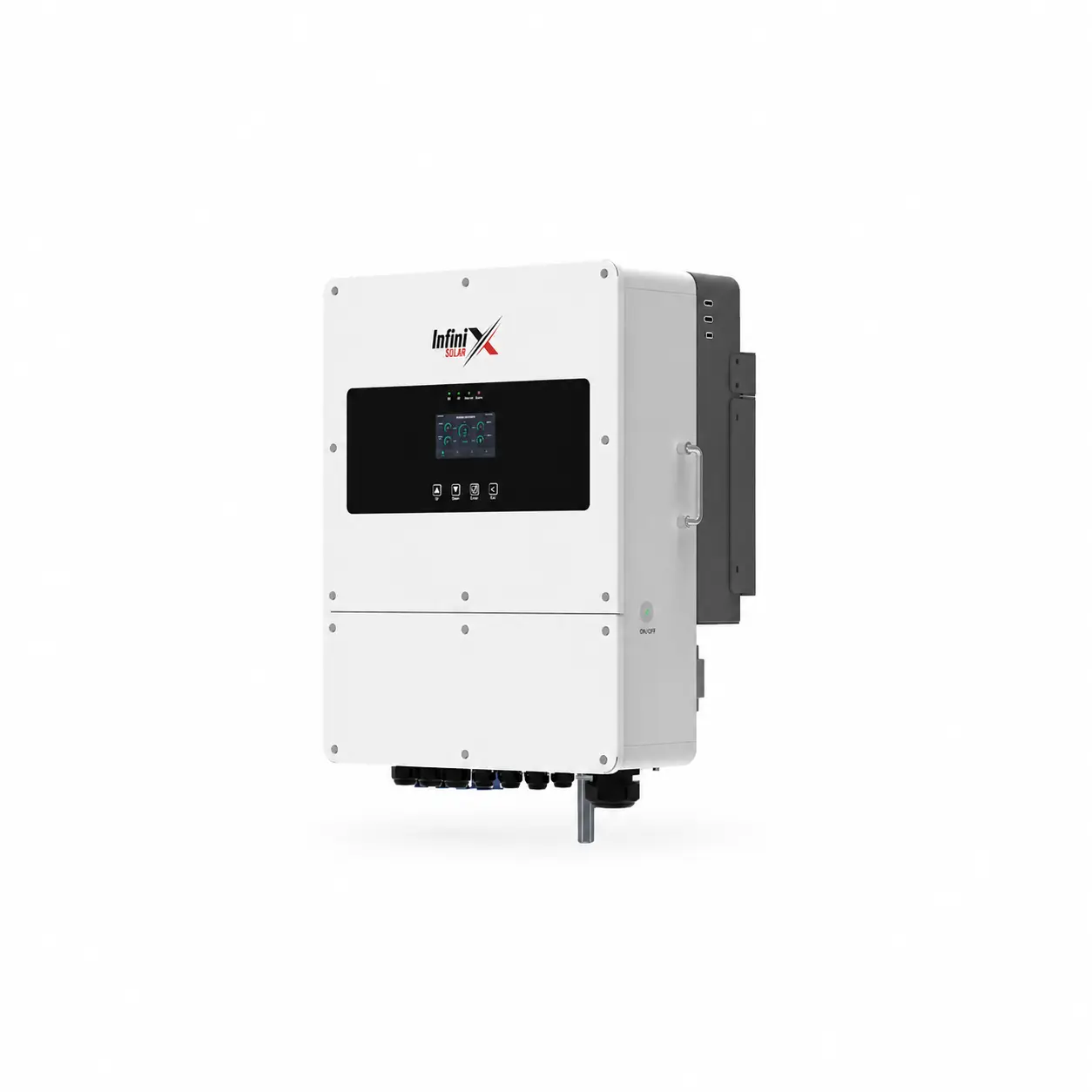
Infinix Solar has supplied hybrid inverters from 1.2kW to 125kW and LiFePO₄ lithium batteries across Pakistan since 2015. Contact our Lahore team or call 0321-0911151 for sizing advice and the latest price.
Sources: Geo News, “Pakistan’s solar revolt” (27 Sep 2026); Bloomberg via Energy Connects (Sep 2026).
Need help choosing?
Send us your electricity bill or appliance list. Our Lahore team will suggest the right Infinix inverter and battery, and share the latest price.