
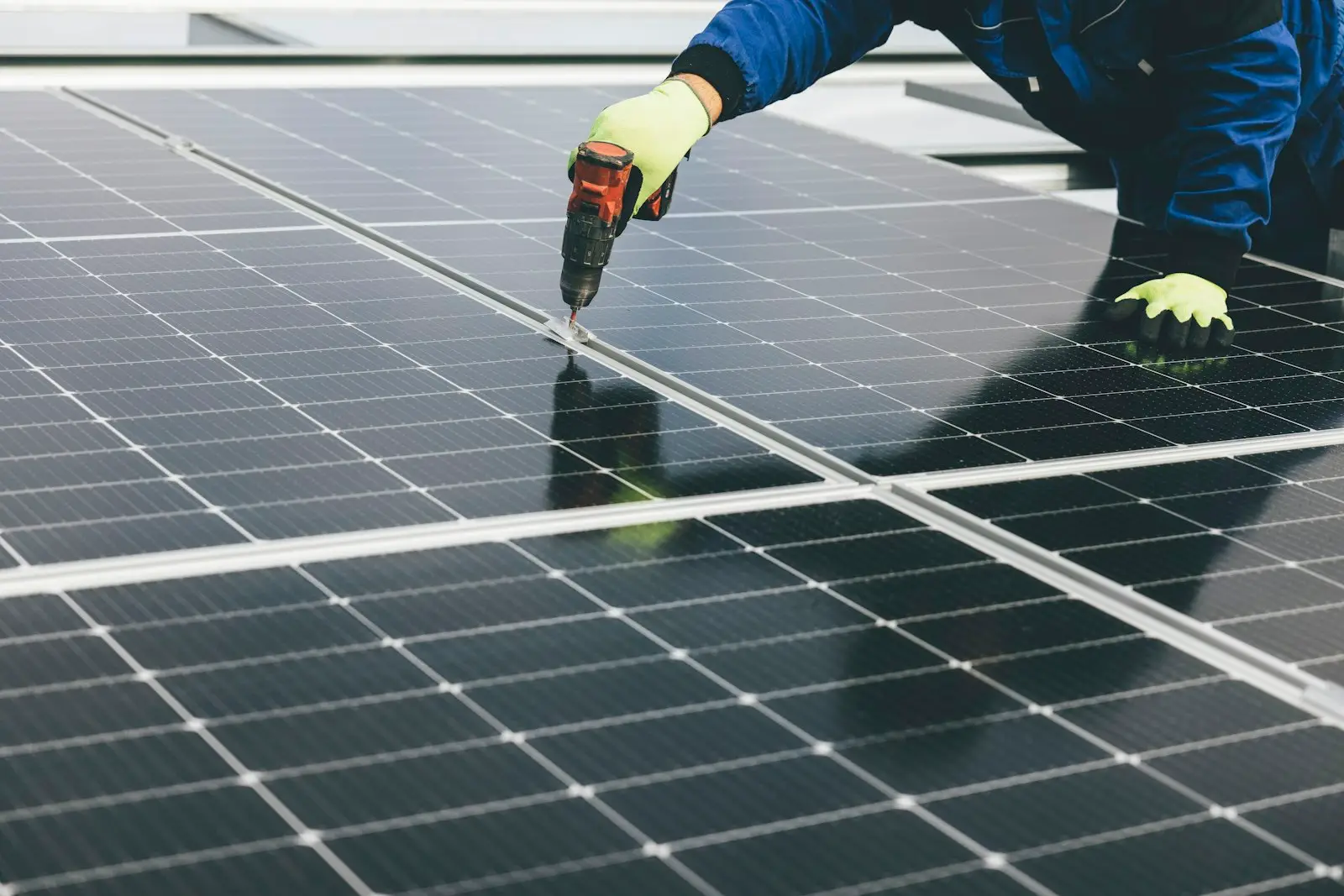
Pakistan is one of the dustiest places in the world to run a solar system. Between summer aandhis, construction dust, bird droppings and the winter smog that settles over Lahore every November, a layer of grime builds up on your panels far faster than most owners expect.
That grime does not show up on your electricity bill as a line item. It shows up as a few missing units every day, quietly, for months. This guide explains how much output dirty panels really lose, how often to clean them in different parts of Pakistan, and how to clean them without voiding a warranty or cracking the glass.
Key takeaways
- Dirty panels commonly lose 5–20% of their output in the dry season, and more after a dust storm.
- In most Punjab and Sindh cities, clean every 1–2 weeks from October to June, and straight after any dust storm.
- Clean in the early morning or evening with plain, soft water and a soft brush. Never use a pressure washer, detergent or cold water on hot glass.
- Smog blocks sunlight in the air, which cleaning cannot fix. It also leaves a sticky soot film on the glass, which cleaning can.
- Your inverter app is the best judge: compare daily kWh on two clear days, one before and one after cleaning.
How much output do dirty panels actually lose?
Solar panels make electricity from the light that reaches the cells. Anything sitting on the glass, whether fine dust, soot or a bird dropping, blocks some of that light before it gets there. The loss depends on how long it has been since the last rain or cleaning, how dusty your area is and how steeply the panels are tilted.
The ranges below are a rough guide to what installers commonly see on rooftops in Pakistan. Your own system may differ, which is why we recommend checking your inverter data (more on that below).
| Panel condition | Typical output loss |
|---|---|
| Light dust, 1–2 weeks without rain | 2 – 5% |
| Visible dust layer, 3–4 dry weeks | 5 – 15% |
| Heavy dust after an aandhi or construction nearby | 15 – 25% or more |
| Bird droppings or leaves on a few cells | Can drag down a whole string far more than the covered area suggests |
That last row surprises people. Cells in a panel are wired in series, so one heavily shaded patch forces the panel to route current around it through bypass diodes, and the whole section loses output. A stubborn dropping left for weeks can also create a hot spot, a small area that runs much hotter than the rest of the panel and can damage it over time. Spot-clean droppings as soon as you notice them.
Smog season: what cleaning can and cannot fix
From November to January, smog in Lahore, Faisalabad, Gujranwala and much of central Punjab cuts solar output in two different ways, and it helps to separate them.
- Haze in the air. Smog and fog scatter and absorb sunlight before it reaches your roof. Combined with shorter days and a lower winter sun, this is the main reason December production can drop well below May. Cleaning does not help with this part.
- Soot on the glass. Smog also deposits a greasy, sticky film of soot and fine particles. Unlike summer dust, it does not blow off in the wind and a light drizzle often just smears it. A proper wash does recover this part.
So if your output falls in December, do not assume the panels are dirty and do not assume they are clean. Wash them once at the start of smog season and again every couple of weeks, then compare the numbers on clear days. A hybrid inverter with a wide MPPT range and generous PV input also helps squeeze more out of hazy mornings.
How often should you clean solar panels in Pakistan?
| Location or situation | Suggested cleaning interval |
|---|---|
| Lahore, Faisalabad, Multan and other Punjab plains (Oct–June) | Every 1–2 weeks |
| Karachi and coastal Sindh (dust plus salt air) | Every 1–2 weeks, with extra care for salt residue |
| Islamabad, Rawalpindi and greener, less dusty areas | Every 2–4 weeks |
| Monsoon months (July–September) | As needed; rain does part of the job, but check for streaks and mud |
| After an aandhi, nearby construction or a wedding with fireworks | Clean as soon as it is safe |
| Factory, mill or brick-kiln areas | Weekly, and check for oily deposits |
Panels mounted almost flat collect far more dust than tilted ones, because rain cannot run off and wash them. If your panels sit at a very low angle, clean more often.
How to clean solar panels safely: step by step
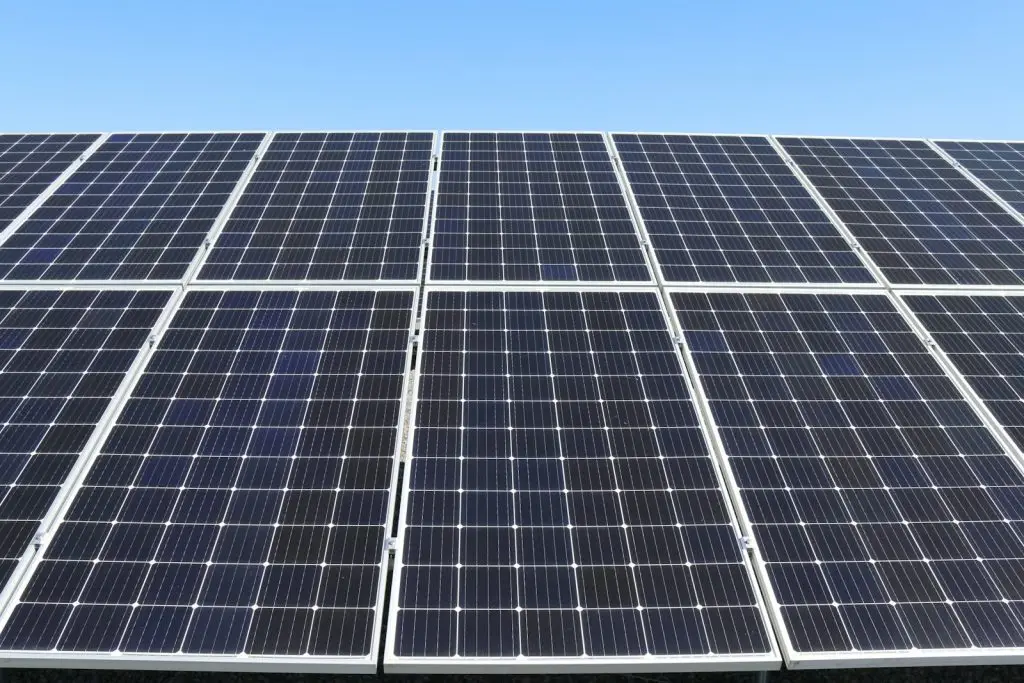
- Pick the right time. Clean in the early morning before the panels heat up, or after sunset. Cold water on hot glass in the afternoon can cause thermal stress and, in the worst case, cracks.
- Stay safe on the roof. Never stand, kneel or walk on panels. Use a long-handled soft brush from the edge of the array, and keep children away from the roof while cleaning.
- Remember the panels are live. Panels produce DC voltage whenever there is light. Do not touch cable connectors, junction boxes or any damaged wiring, and do not spray water directly into connectors.
- Rinse off loose dust first. A gentle flow from a hose or a bucket of water lifts loose dust so you do not scrub it across the glass like sandpaper.
- Wash with a soft brush or sponge. Plain water is enough for most dust. For sticky smog film or droppings, a small amount of very mild, non-abrasive soap in water is acceptable, followed by a thorough rinse.
- Use soft water if you can. Hard or salty bore water, common in Lahore and Karachi, leaves white mineral spots that block light. RO or filtered water, or a quick wipe with a rubber squeegee, avoids them.
- Check your inverter the next clear day. Note the daily kWh and compare it with a similar day before cleaning.
Cleaning mistakes that damage panels
- Pressure washers. High-pressure jets can force water past seals and damage the frame edges and the anti-reflective coating.
- Detergents, surf or dishwasher powder. They leave a film that attracts more dust and may harm the coating.
- Hard brushes, steel wool or scrapers. Scratches on the glass scatter light permanently.
- Walking on the panels. This can cause micro-cracks in the cells that you cannot see but which reduce output for the rest of the panel’s life.
- Cleaning at 2 pm in June. Hot glass plus cold water is the classic way to crack a panel.
Let your inverter app decide when to clean
Most modern hybrid inverters, including the Infinix range, log daily solar generation in kWh. That makes cleaning a data question rather than a guess:
- Pick two clear, sunny days close together, one just before cleaning and one just after.
- Compare the daily solar kWh. A jump of more than about 5% means the panels were noticeably dirty.
- If you see big jumps every time, clean more often. If the difference is tiny, you can safely stretch the interval.
Watch the long-term trend too. A steady slide that cleaning does not recover can point to shading from a new building or tree, a loose connector or a failing panel, and is worth a technician’s visit.
Design choices that reduce soiling from day one
- Tilt the panels. A tilt of roughly 15° or more lets rain wash dust off, and in most of Pakistan a steeper tilt of 20–30° also improves winter production.
- Keep clear of exhausts and trees. Generator exhausts, kitchen chimneys and overhanging branches add soot, grease and leaves.
- Leave access space. A walkway or clear edge makes safe cleaning much easier and much more likely to actually happen.
- Size your system with headroom. Some soiling and winter haze are unavoidable, so plan your array with a little margin. Our inverter sizing guide and battery backup guide walk through the numbers.
The bottom line
Cleaning is the cheapest maintenance your solar system will ever need. A bucket of soft water, a soft brush and ten minutes every week or two in the dusty months can recover units you have already paid for, and with net billing now paying far less for exported units, every unit you generate and use yourself is worth more. Read our explainer on NEPRA’s net billing rules to see why.
Not sure your system is producing what it should?
Send us a screenshot of your inverter app and your monthly units. Our Lahore team will tell you whether it is dust, shading or a sizing issue, and recommend the right Infinix inverter and battery if you are upgrading.
Need help choosing?
Send us your electricity bill or appliance list. Our Lahore team will suggest the right Infinix inverter and battery, and share the latest price.
WhatsApp 0321-0911151Contact Us